

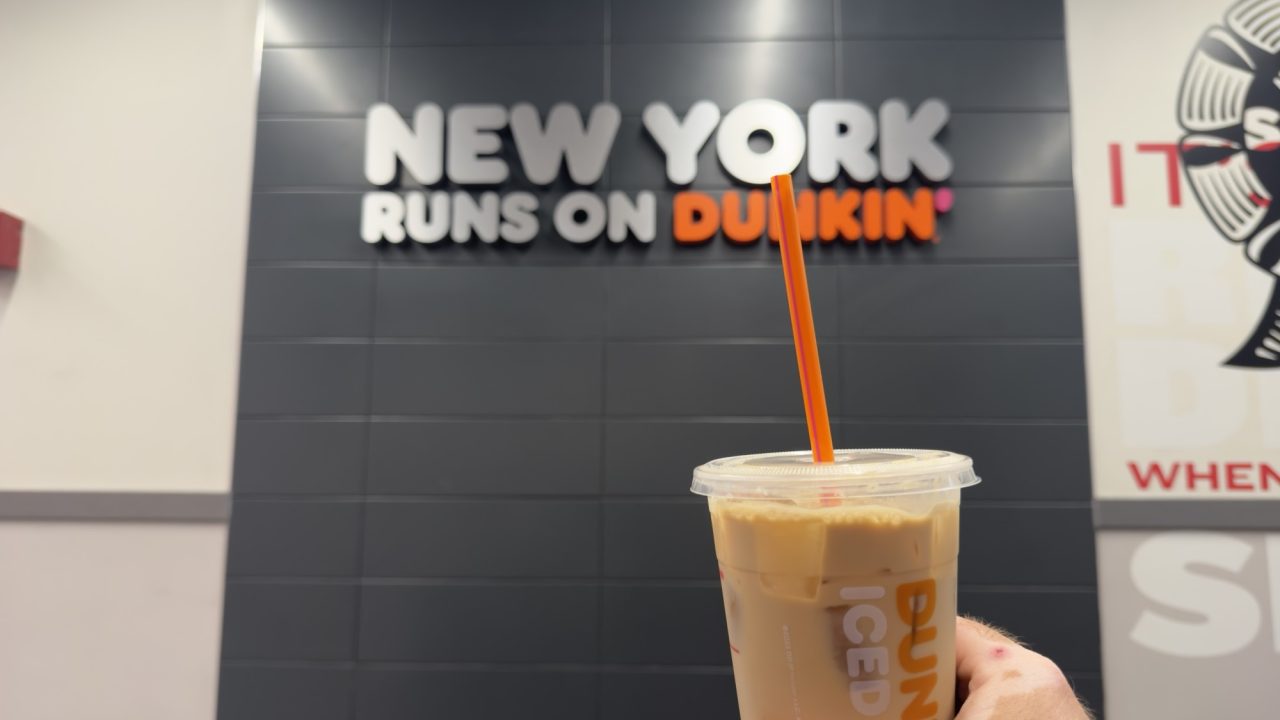

Montreal, QC, Canada (WNEWS CANADA) – Dunkin’ is officially returning to Canada after years away from the market, setting the stage for a renewed coffee and breakfast battle with Tim Hortons.
Canadian restaurant operator Foodtastic announced this week that it has signed a master franchising agreement with Dunkin’s parent company, Inspire Brands, giving Foodtastic exclusive rights to expand the brand across Canada.
The agreement could eventually see hundreds of Dunkin’ locations open nationwide over the coming years, marking one of the biggest attempted fast-food comebacks in recent Canadian history.
According to Foodtastic founder and CEO Peter Mammas, the company believes there is room for between 600 and 700 Dunkin’ locations across Canada, including potentially nearly 200 in Quebec alone.
The first stores are expected to open in Quebec or Ontario in late 2026 or early 2027. Mammas told media outlets that the company hopes to eventually open roughly one location per week during its initial expansion phase.
A Familiar Brand Returns
Dunkin’ was once a significant player in Canada’s coffee and donut market, especially in Quebec during the 1980s and 1990s. However, the chain steadily lost market share to Tim Hortons before exiting the country entirely in 2018.
At its peak, Dunkin’ operated hundreds of Canadian stores, including more than 200 locations in Quebec. But aggressive expansion by Tim Hortons, combined with franchise disputes and weak brand promotion, contributed to Dunkin’s decline north of the border.
The final remaining Canadian Dunkin’ locations closed in 2018 after franchise agreements expired.
Now, nearly a decade later, the company is attempting a second shot at the Canadian market, this time backed by one of the country’s largest restaurant operators.
Foodtastic already operates several restaurant brands in Canada, including Second Cup, Freshii, Milestones, Pita Pit, and Fionn MacCool’s. The company previously partnered with Inspire Brands to bring sandwich chain Jimmy John’s into Canada.
Dunkin’ vs. Tim Hortons
The return immediately raises questions about whether Dunkin’ can realistically compete against Tim Hortons, which remains deeply entrenched in Canadian culture and dominates the domestic coffee market.
Mammas argued that Dunkin’ could differentiate itself through its beverage lineup, cold drinks, espresso-based offerings, breakfast sandwiches, and appeal to younger consumers. He also suggested Tim Hortons has “lost its identity” by moving too far away from its core menu.
However, analysts note the Canadian coffee market is already highly saturated, with competition from Tim Hortons, Starbucks, McDonald’s McCafé, and newer international entrants including Pret A Manger and % Arabica.
The timing is also notable because the relaunch comes during a broader “Buy Canadian” movement amid ongoing trade tensions between Canada and the United States. Some analysts question whether Canadians will embrace a heavily American-branded coffee chain during a period of heightened economic nationalism.
Still, Dunkin’ remains one of the world’s largest coffee and donut chains, with roughly 14,000 locations globally across dozens of countries.
A New Coffee War Brewing
For consumers, Dunkin’s return could intensify competition in Canada’s fast-growing breakfast and coffee sector.
The company’s re-entry may place additional pressure on pricing, loyalty programs, breakfast menus, and specialty beverage offerings as chains compete for younger consumers and commuters.
The Canadian coffee market has already seen rapid evolution over the past several years, with chains increasingly focusing on premium beverages, cold brews, app-based ordering, and rewards ecosystems.
Whether Dunkin’ can successfully rebuild a lasting Canadian presence remains uncertain, but its return is poised to reignite a coffee rivalry many Canadians have not seen in years.