

- Global crude oil prices surged above $90 per barrel amid escalating conflict involving Iran
- The rally is driven by fears of disruptions to Middle East oil supply routes, particularly the Strait of Hormuz.
- Roughly 20% of the world’s oil supply passes through the Strait of Hormuz each day
- Analysts warn oil prices could approach or exceed $100 per barrel if the conflict continues
New York, NY, USA (WNEWS) – On Friday, global oil prices climbed above $90 per barrel, one of the biggest jumps since the early pandemic energy crisis. The rising conflict involving Iran is putting global energy supplies and financial markets at risk.
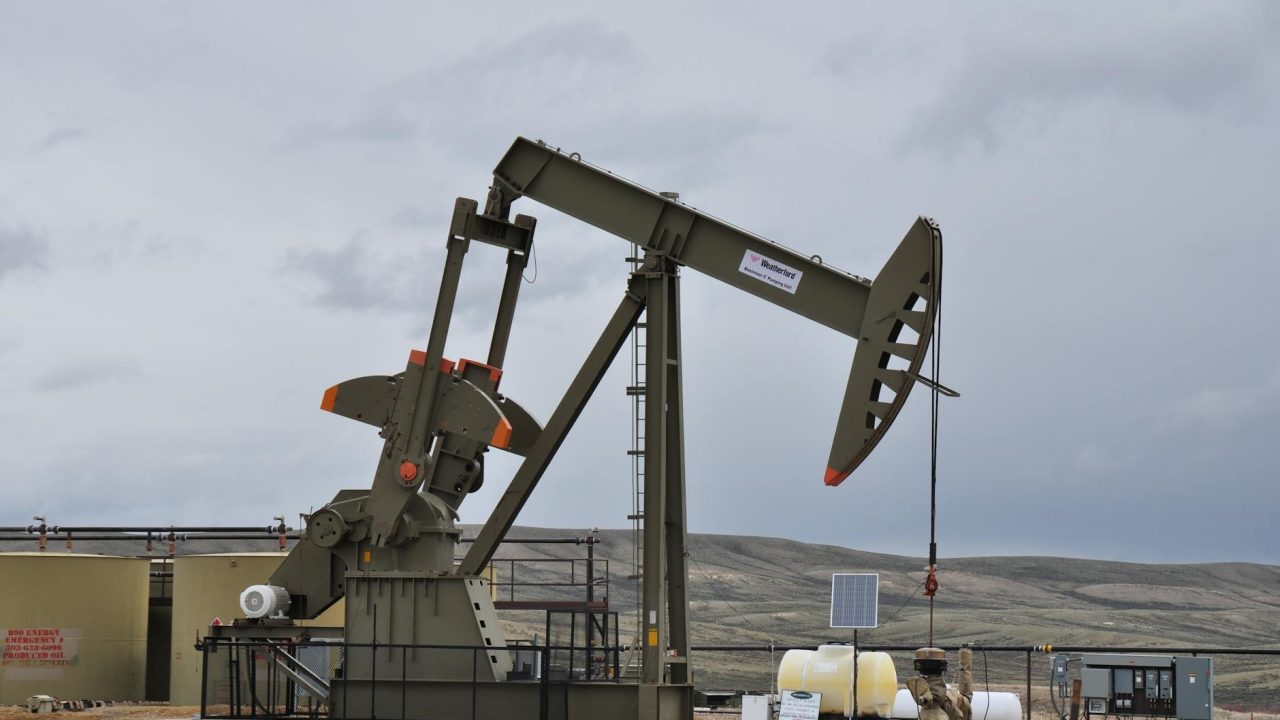
Brent crude, the international benchmark, rose above $90 a barrel. U.S. West Texas Intermediate (WTI) crude also neared or passed $90 during a day of volatile trading. This jump happened as worries grew that the expanding war in the Middle East could disrupt a key oil shipping route.
The rise in oil prices shows that traders and governments are increasingly worried the conflict could seriously disrupt global supply, especially through the Strait of Hormuz. About 20% of the world’s oil passes through this narrow waterway every day.
War in the Gulf Sends Shockwaves Through Energy Markets
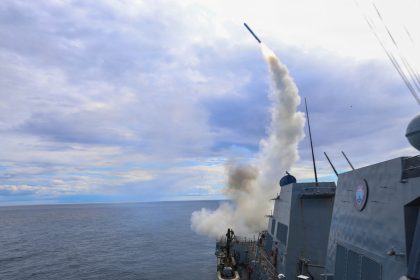
Energy markets have responded quickly to the worsening security situation in the Persian Gulf. In the past few days, attacks, military actions, and problems with shipping routes have raised fears of supply shortages worldwide.
Analysts warn that even short-term disruptions could quickly tighten oil supply, showing how sensitive the market is to global events.
According to market data and financial reports, WTI crude rose to roughly $88–$92 per barrel while Brent crude climbed above $90, representing one of the strongest weekly gains since 2020.
Some market benchmarks surged further during trading sessions, with Brent briefly rising above $93 per barrel, reflecting panic buying in energy markets and expectations that the conflict could drag on.
The price surge follows reports of disrupted shipping routes and attacks near key energy infrastructure, including facilities in Saudi Arabia and tanker routes through the Persian Gulf.
Markets Brace for Possible $100 Oil
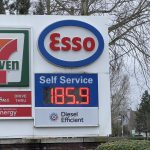
Energy analysts have warned that, according to their assessments, if the conflict continues or shipping through the Strait of Hormuz is significantly restricted, oil prices could rise even further. Traders are already forecasting a possible move toward $100 per barrel, a threshold that could have significant economic consequences worldwide. For consumers, higher oil prices typically mean rising costs at the gas pump and higher expenses for heating and transportation. Many households could see increases in everyday living costs, putting additional financial pressure on families and businesses as energy prices climb.
The situation has already begun to ripple through financial markets. Global stock markets have fallen amid rising oil prices and geopolitical uncertainty, with the Dow Jones Industrial Average dropping sharply as energy prices climbed.
Higher oil prices can translate quickly into higher gasoline, diesel, and transportation costs, raising concerns that inflation could accelerate just as many central banks were hoping price pressures would ease.
Global Economic Risks Mount
Economists warn that prolonged disruptions to Middle Eastern energy supplies could trigger a new wave of inflation and slow global economic growth.
Energy analysts note that the Gulf region remains one of the most critical hubs for global oil exports. Even the perception of instability can send energy markets sharply higher as traders scramble to secure supply.
Oil prices have jumped from about $60 per barrel before the conflict, showing how fast global events can change commodity markets.
As military actions continue and tensions rise in the region, energy markets will likely stay unpredictable in the days ahead.