

Washington, D.C., Jerusalem, and Tehran (WNEWS INTERNATIONAL), The United States and Israel began coordinated strikes on Iran early Saturday, targeting military and command sites in several cities, including Tehran.
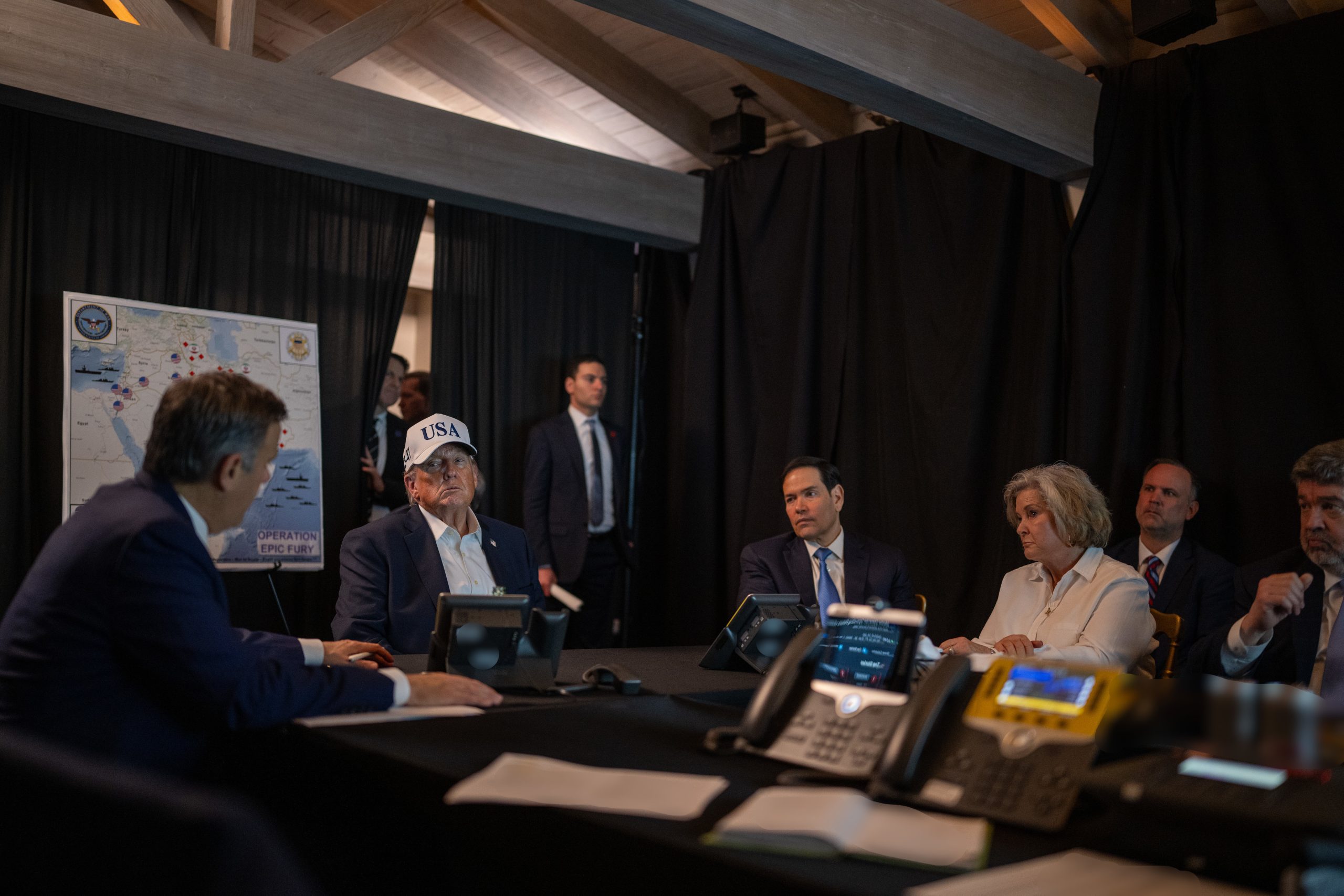
Israeli officials described the joint attack as a pre-emptive strike. The U.S. Department of War named it “Operation Epic Fury.” This is the largest military action between the Western allies and Iran in decades.
Coordinated Strikes Hit Key Iranian Targets
Explosions rocked Tehran, Isfahan, Tabriz, and other cities just after dawn. Iranian military sites, missile facilities, air defence systems, and command centers were targeted by Israeli air forces and the U.S. military. Several explosions and columns of smoke were seen over the capital in videos from the early morning strikes.
Israel said the operation was intended to remove what it called imminent threats to national and regional security. Officials said the strikes were meant to limit Iran’s ability to threaten its neighbours and U.S. interests.
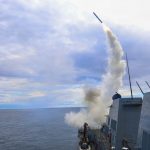
Precision airstrikes spearheaded the campaign, according to U.S. military sources. Tomahawk cruise missiles launched from ships complemented the effort, while “low-cost attack drones” operated by U.S. Central Command entered combat for the first time.
Death of Iran’s Supreme Leader Reported
Later that morning, reports from the U.S. and Israel stated that Iran’s Supreme Leader, Ayatollah Ali Khamenei, had been killed in the strikes. Shortly after these initial accounts, President Donald Trump and Israeli Prime Minister Benjamin Netanyahu both publicly acknowledged his death. Confirming the news, Iranian officials then announced a national period of mourning.
President Trump stated that the strikes were necessary to halt Tehran’s influence and threats. He also encouraged the Iranian people, urging them to seize this moment for political change.
Iran Responds with Retaliatory Attacks
Tehran announced it would respond within hours of the initial strikes. Ballistic missiles and drones were then launched by Iran at Israeli territory and U.S. military bases across the region, targeting sites in Iraq, Kuwait, Qatar, and the United Arab Emirates. As sirens sounded in central Israel, major cities saw missiles intercepted overhead.
Iranian officials called the attacks illegitimate and illegal under international law. They said they would defend the country’s sovereignty and security. Reports indicate Iran’s Revolutionary Guards have mobilized for more retaliation.
U.S. and Israeli Leaders Justify Action
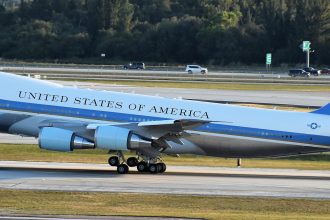
President Trump addressed the nation early Saturday. He said the campaign was meant to remove “imminent threats to American and allied security” and to weaken Iran’s ability to use missiles and proxy groups. He added that operations would continue “as long as necessary” and described the actions as defensive after years of hostility from Tehran.
Prime Minister Netanyahu agreed, calling the operation critical for Israel’s survival and security in a turbulent region.
Global and Regional Fallout Intensifies
World reactions have been quick and deeply divided. The United Nations and major European countries, including France, Germany, and the UK, have urged restraint and called for an immediate ceasefire and a return to talks, warning of serious risks to civilians and regional stability.
Meanwhile, Russia condemned the strikes as an act of “unprovoked aggression”, warning they could deepen global instability and calling for an urgent Security Council session.
Economic and Humanitarian Impact Mounting
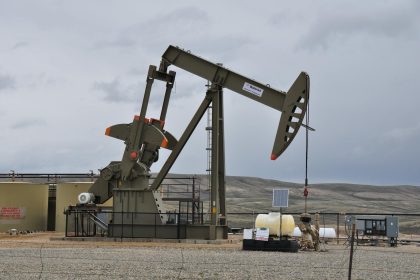
Commercial flights across the Gulf region are facing sweeping disruption, as major airports issue warnings amid airspace closures and rising safety concerns. Markets are expected to react sharply, especially in global oil and energy markets, amid fears of long-term instability in the Strait of Hormuz. Analysts suggest that a prolonged conflict could drive up global oil prices, elevate consumer energy and transportation costs, and disrupt critical supply chains, creating ripple effects for businesses and households worldwide.
Iranian hospitals remain on high alert as civilian casualties and damage reports continue to arrive. International humanitarian groups warn that conditions may deteriorate further if the conflict expands.
As of late evening on February 28, 2026, the situation continues to evolve. Significant military engagements are underway, and international diplomatic pressure is mounting. Analysts caution that the crisis, which began with early morning strikes, could become a protracted regional confrontation with wide-reaching consequences.