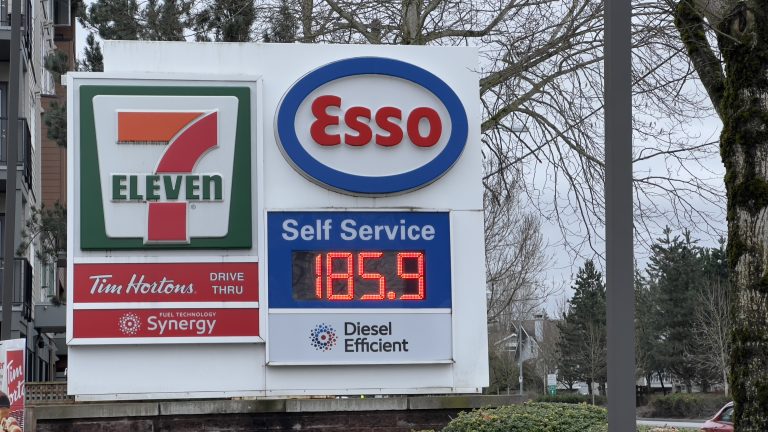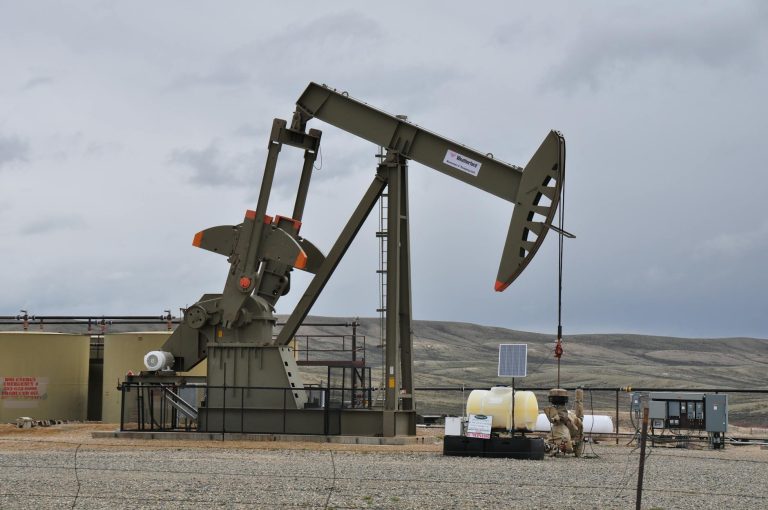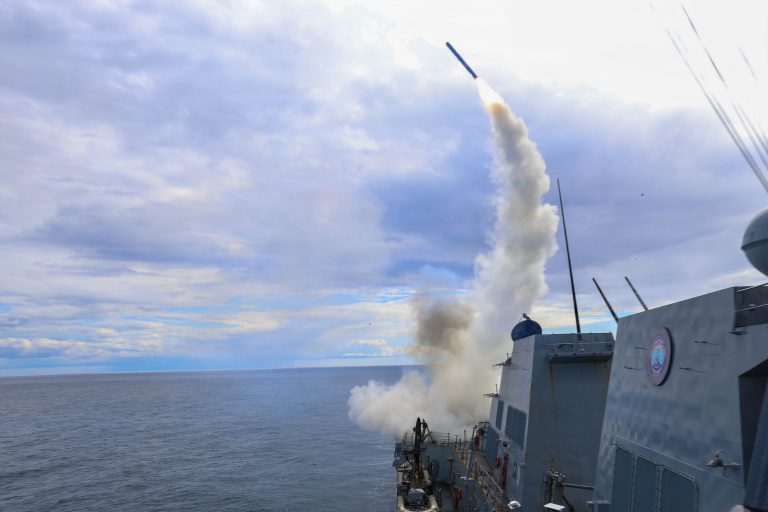

Crude Oil Jumps to $90 a Barrel
March 6, 2026
The growing conflict involving Iran has implications far beyond the Middle East. While the fighting is centered around Iran, Israel and U.S. forces, the consequences could affect global energy markets, international security alliances, and economies worldwide.
One of the most immediate concerns is the potential disruption of global oil supplies.
Much of the world’s crude oil passes through the Strait of Hormuz, a narrow waterway between Iran and the Arabian Peninsula. Roughly 20 percent of the world’s oil shipments move through this corridor every day.
If shipping in the Strait is restricted or blocked, even temporarily, oil prices could surge sharply. Higher crude prices typically translate into:
Higher gasoline and diesel prices
Increased transportation and manufacturing costs
Rising inflation for food and consumer goods
Energy markets have already shown signs of volatility as the conflict escalates.
Another concern is that the conflict may spread beyond the immediate parties involved.
Several countries in the region host U.S. bases or allied military forces, including Gulf states and NATO partner nations. Iranian retaliation against those countries could pull additional states into the conflict.
Regional militant groups allied with Iran could also become involved, raising the risk of a multi-front conflict across the Middle East.
The Middle East is a critical hub for global shipping routes linking Europe, Asia and Africa.
Disruptions to maritime security in the Persian Gulf or nearby waterways could affect international supply chains, including the movement of:
Energy products
Consumer goods
Industrial materials
Shipping disruptions can raise insurance costs, delay deliveries, and increase the overall cost of global trade.
The conflict also places pressure on military alliances and diplomatic partnerships.
Countries such as the United States, the United Kingdom, France and other NATO members may face decisions about whether to support military operations or provide defensive assistance.
For governments like Canada, the challenge is balancing support for allies while avoiding deeper involvement in a potentially prolonged war.
Even if fighting remains limited geographically, the economic effects can be global.
Rising energy prices, volatile markets, and trade disruptions can influence:
Stock markets
Inflation levels
Government spending
Currency values
These ripple effects can be felt far from the battlefield, affecting households and businesses around the world.