

What Is Happening?
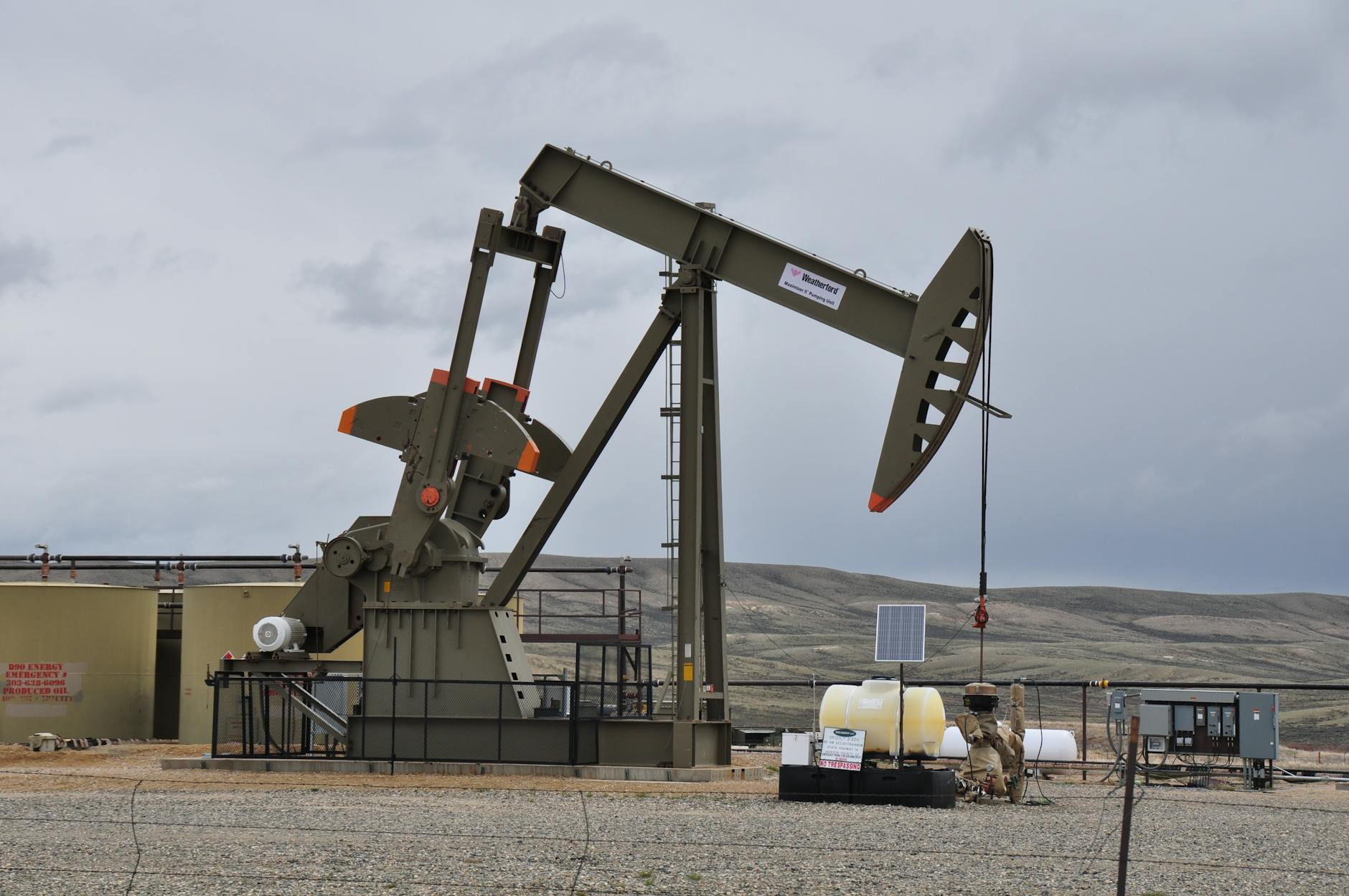
Global crude oil prices have jumped significantly in early March 2026 amid escalating conflict involving the United States, Israel, and Iran.
Benchmark oil prices surged past $100 per barrel, with some market analysts warning prices could move even higher if supply disruptions continue. Oil markets reacted quickly after concerns emerged that shipping routes in the Middle East could be affected.
The spike has also rattled financial markets. Futures tied to the Dow Jones Industrial Average have dropped sharply as investors worry that higher energy prices could slow economic growth.
Oil prices tend to respond rapidly to geopolitical risk because even small supply disruptions can have major global impacts.
Background: Why Oil Prices React to Conflict
Oil is one of the most globally traded commodities, and the Middle East plays a central role in global energy supply.
Several countries in the region are among the world’s largest oil exporters, including:
- Saudi Arabia
- Iraq
- Iran
- Kuwait
- The United Arab Emirates
Many of these producers are part of the oil alliance known as OPEC.
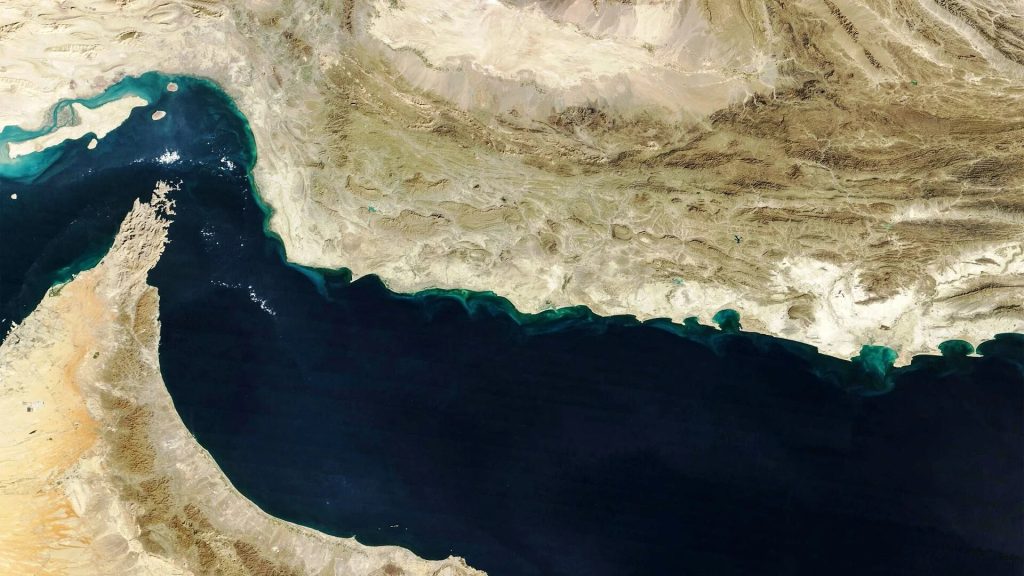
A key factor in the current price surge is concern over the security of the Strait of Hormuz. This narrow shipping lane is one of the most important oil transit routes in the world.
Roughly one-fifth of the world’s oil supply passes through the strait each day. Any disruption could significantly reduce global supply.
Key Players
Several governments and institutions are central to the current situation.
Iran
Iran is a major oil producer and a central actor in the current conflict. Any sanctions, attacks on infrastructure, or retaliation affecting shipping lanes could impact global supply.
United States
The United States remains one of the largest oil producers and plays a key role in global energy markets and military activity in the region.
Israel
Israel’s military actions in the region have heightened tensions with Iran and its allies.
Oil Exporters
Members of OPEC and allied producers can influence prices through production decisions.
Global Financial Markets
Stock markets and energy traders closely monitor supply risks and economic consequences.
Timeline of Events
Late February 2026
Tensions in the Middle East escalate following military operations involving Iran and its regional adversaries.
Early March 2026
Energy markets are beginning to price in potential disruptions to shipping lanes and oil infrastructure.
March 8, 2026
Crude oil prices surge above $100 per barrel, while stock market futures decline amid fears of economic fallout.
Present
Markets remain volatile as investors assess whether the conflict will expand or disrupt energy exports.
What Could Happen Next
Several possible scenarios could shape oil markets in the coming weeks.
Scenario 1: Prices Stabilize
If tensions ease and shipping routes remain open, oil prices may stabilize or fall.
Scenario 2: Continued Volatility
Markets may remain unstable if uncertainty about the conflict persists.
Scenario 3: Major Supply Disruption
If oil exports from the region are disrupted, analysts warn that prices could rise dramatically — potentially exceeding previous spikes seen during major geopolitical crises.
Some analysts have suggested oil could approach $150 per barrel in extreme scenarios, though such forecasts remain uncertain.
Sources: Reporting from Reuters, Associated Press, and The Guardian; energy market analysis from Kpler, Wood Mackenzie, and Goldman Sachs; and background information from publicly available research and historical data on global oil markets