

What Is Happening?
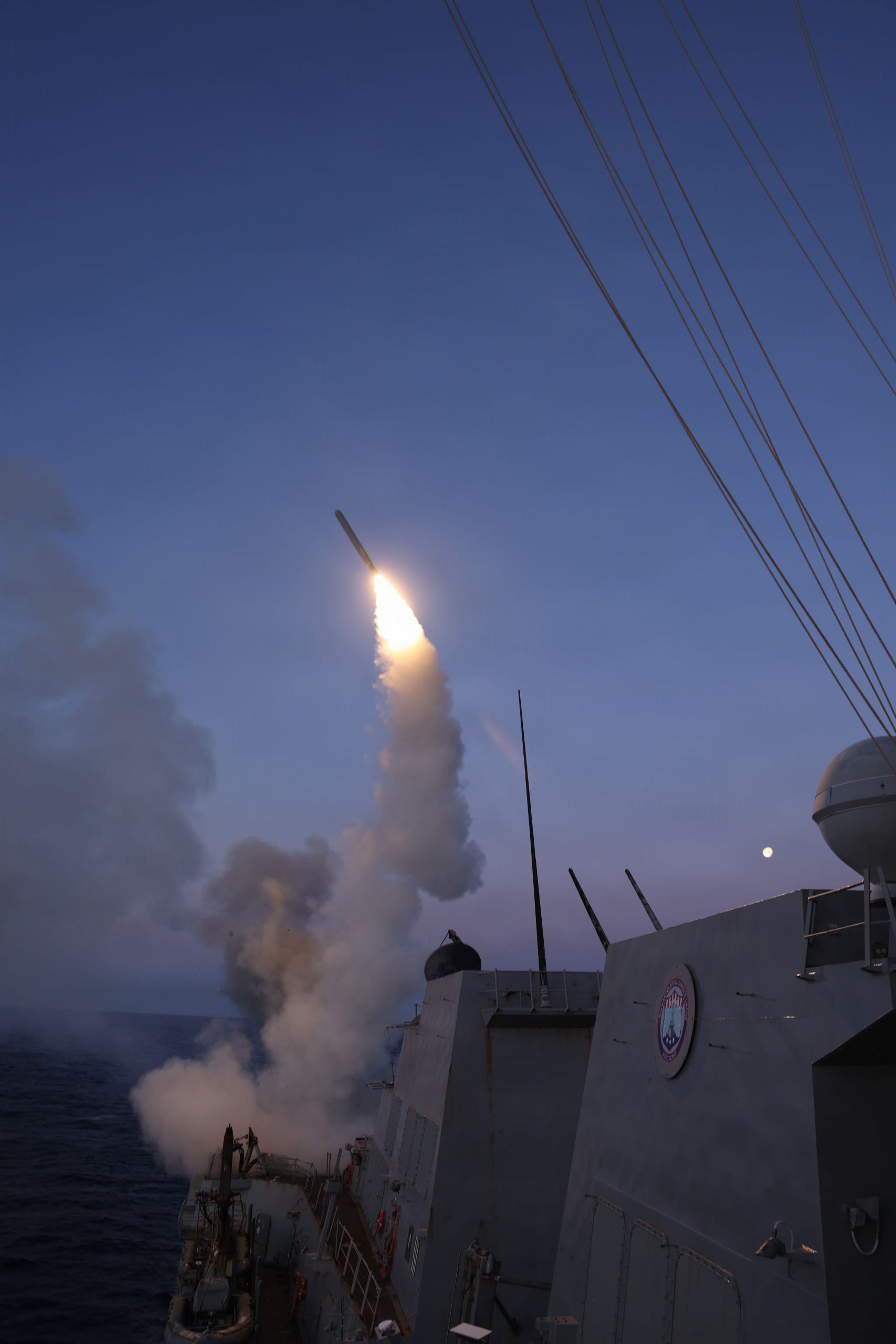
The United States and its allies have launched military strikes targeting Iranian missile infrastructure, drone facilities, and military bases. U.S. officials say the operations are intended to reduce Iran’s military capabilities and deter further attacks on U.S. forces and regional partners.
Iran has responded with missile and drone strikes targeting U.S. military bases and allied installations across the region. Some of these attacks have taken place in Gulf countries that host American forces.
The conflict is also unfolding through regional proxy groups aligned with Iran. Militias in Iraq and Syria have carried out attacks on U.S. bases, while Hezbollah in Lebanon has exchanged fire with Israeli forces.
As a result, the confrontation is no longer limited to a single front but has spread across multiple parts of the Middle East.
Background
Tensions between the United States and Iran have existed for decades, but several issues have intensified the dispute in recent years.
One of the central concerns is Iran’s nuclear program. Western governments have accused Iran of moving closer to developing nuclear weapons capability. Iran has maintained that its nuclear activities are for civilian purposes.
Negotiations aimed at restoring or replacing earlier nuclear agreements have repeatedly stalled.
Another source of tension is Iran’s network of allied groups across the region. These groups include Hezbollah in Lebanon and several militia organizations in Iraq and Syria. The United States and Israel view these forces as an extension of Iranian military influence.
Israel has also conducted strikes against Iranian-linked targets in Syria for years, contributing to a long-running shadow conflict between the two countries.
Key Players
United States
The United States maintains military bases across the Middle East and has deployed naval and air forces in response to the crisis.
Iran
Iran has a large missile arsenal and regional military alliances. It has responded to strikes with drone and missile attacks.
Israel
Israel views Iran’s nuclear program as a major security threat and has supported military actions aimed at limiting Iranian capabilities.
Regional Allies
Several Gulf states host U.S. military bases and have strengthened air defences as the conflict intensifies.
Iranian-aligned groups
Armed groups linked to Iran in Iraq, Syria, Lebanon, and Yemen have launched attacks against U.S. and allied targets.
Timeline of Events
• Late 2025 – Tensions rise over Iran’s nuclear activities and regional attacks on shipping and military targets.
• Early 2026 – The United States and Israel begin coordinated strikes on Iranian military infrastructure.
• Days later – Iran launches missile and drone attacks against U.S. bases and regional targets.
• Present – Fighting spreads across multiple fronts, including Iraq, Lebanon, and the Gulf region.
What Could Happen Next
Analysts are discussing several possible outcomes.
Limited military confrontation
The conflict may remain focused on airstrikes and missile exchanges without a full-scale ground war.
Regional escalation
Additional armed groups or countries could become involved, expanding the conflict.
Diplomatic negotiations
International mediators could attempt to restart negotiations over Iran’s nuclear program and regional security issues.
The situation remains fluid, and developments can change rapidly.