

- U.S. claims to have sunk nine Iranian warships, marking a major escalation in the maritime theatre of the conflict
- UAE closes stock markets for two days and shuts its embassy in Tehran following Iranian missile and drone strikes.
- Oil prices jump sharply, with analysts warning crude could spike toward $100 per barrel if Strait of Hormuz disruptions continue
- France deploys aircraft carrier Charles de Gaulle toward the eastern Mediterranean as Paris calls for urgent UN action.
- UK forces shoot down an Iranian drone, underscoring expanding regional defensive operations
Middle East (WNEWS) – The conflict with Iran began on February 28, when U.S. and Israeli forces launched strikes on Iran. By early Sunday, hostilities had intensified significantly. Over the following days, escalating fighting, economic turmoil, and rapid global diplomatic reactions created a dangerous situation with the potential to destabilize the region and affect other parts of the world.
U.S. Says It Has Sunk Nine Iranian Warships
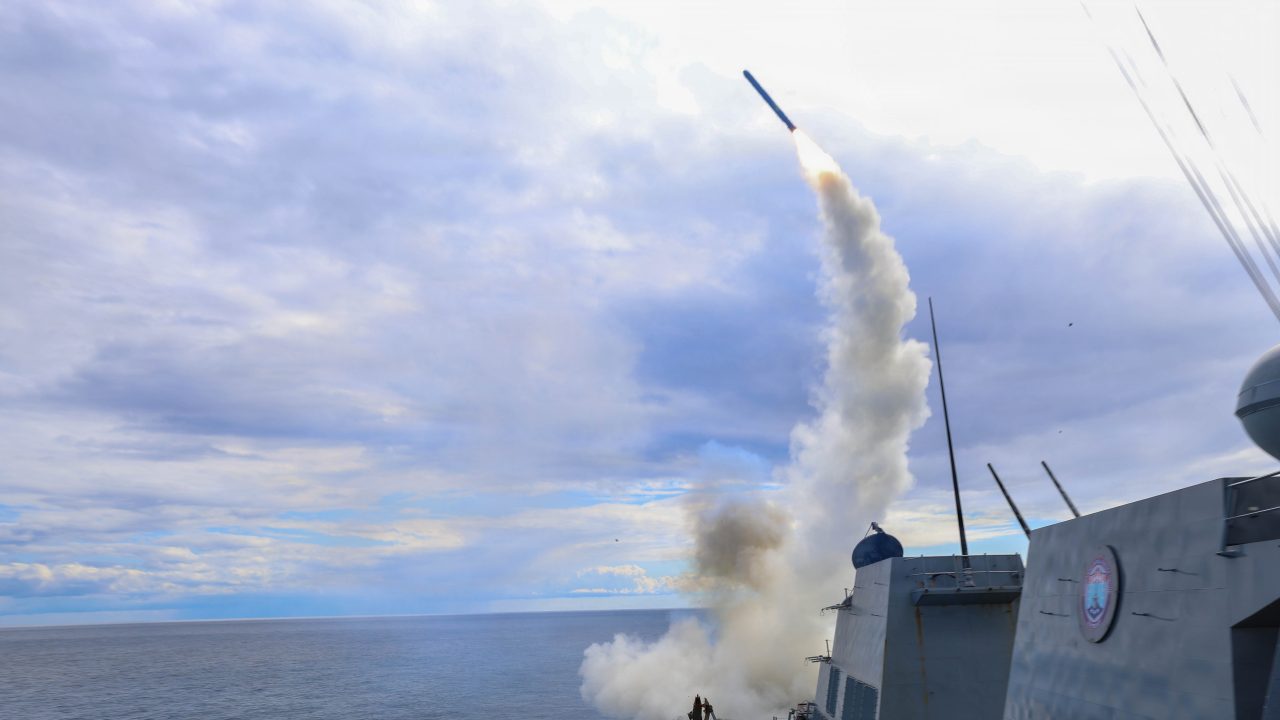
U.S. President Donald Trump announced on TruthSocial that American forces had “destroyed and sunk” nine Iranian naval ships, including keywarships and a naval headquarters vessel. Trump shared via social media that these strikes formed part of Operation Epic Fury and stated that additional strikes targeting Iran’s remaining naval forces would continue.
Earlier that day, officials reported that an Iranian Jamaran-class corvette had been struck and sunk in the Gulf of Oman. At the time of publication, these claims had been reported by U.S. and allied officials, but independent confirmation from international observers or third-party groups was unavailable.
These losses are a serious setback for Iran’s regular navy. U.S. naval strength has become a key part of the conflict at sea.
Three U.S. troops were killed and five more seriously wounded on March 1, 2026, during U.S.-Israel strikes on Iranian targets, marking the first American deaths in the conflict, according to U.S. Central Command.
Other troops suffered minor injuries, and U.S. bases in Bahrain, Iraq, and Kuwait have been targeted by Iranian missiles during Operation Epic Fury, U.S. officials said.
UAE Closes Stock Markets, Embassy Amid Attacks
In response to ongoing Iranian missile and drone attacks in the Gulf since late February, the United Arab Emirates (UAE) announced that both its main stock markets—the Abu Dhabi Securities Exchange (ADX) and Dubai Financial Market (DFM)—would remain closed on Monday and Tuesday, March 2–3.
The closure aims to control sharp market swings and review the conflict’s economic impact. Financial analysts warn that sudden closures and market swings could worry international investors and disrupt global markets, as foreign businesses and funds reassess their exposure to the region.
Diplomatic tensions escalated further on March 1, 2026, when the UAE announced it would close its embassy in Tehran and withdraw its diplomats following fresh Iranian strikes on civilian sites that day—including airports, ports, and homes, which UAE officials condemned as violations of its sovereignty.
In response to the ongoing travel disruptions, authorities in Dubai and Abu Dhabi instructed hotels to extend accommodations for guests unable to depart. This coordinated action aims to safeguard international visitors during the crisis.
Officials emphasized that guests should not be forced to leave their rooms if they cannot immediately pay for extensions, underscoring a commitment to consumer protection and visitor welfare.
Hotel operators were directed to promptly notify the relevant department in such cases, providing details on the original booking period, extension duration, and any operational challenges encountered.
That same day, Abu Dhabi authorities issued a parallel directive confirming that the government would cover the costs of accommodations for stranded guests, independent of their ability to pay for extensions.
Oil Prices Expected to Spike Sharply
Global energy markets have responded to the growing conflict with sharp price increases:
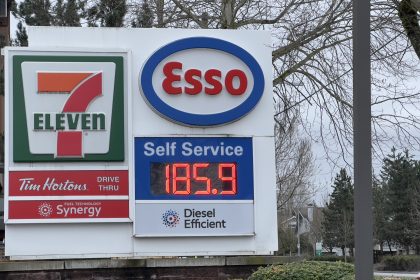
- Late Sunday Morning, Brent crude prices jumped about 10%, reaching nearly $80 a barrel. Analysts warn that if turmoil continues and the Strait of Hormuz remains blocked in the coming days, prices could climb to $100 or more.
- The expected price surge could affect gasoline markets and global inflation. Impacts will increase if tanker traffic continues to stall and maritime insurance costs soar. For consumers, this may mean higher fuel prices and higher transportation costs. Everyday goods and services that depend on shipping and logistics may also cost more.
Because of the conflict, investors are moving their money into safer assets. Gold and government bonds are going up as global risks increase.
France and the UK Respond With Mixed Strategic Actions
France has taken a diplomatic and military stance in response to the conflict’s rapid escalation:
- French President Emmanuel Macron called for an urgent United Nations Security Council meeting. He emphasized the threat to international peace and security, and urged restraint and negotiations amid the fighting.
- France is also reportedly preparing military resources to protect partners in the region, if requested, underscoring Paris’s concern about spillover from the conflict.
According to reports on March 1, 2026, the French aircraft carrier Charles de Gaulle was being redirected toward the eastern Mediterranean in response to the unfolding crisis. This move indicates France’s intent to bolster NATO and allied presence in the region if hostilities persist. Further details are expected as the situation develops.
In the United Kingdom, authorities have focused on defensive responses and protecting forces:
- According to The Guardian, British jets shot down an Iranian drone headed toward strategic airspace in Iraq and Qatar. This was part of allied defensive operations as Tehran’s retaliation spread beyond Iran’s borders.
- The UK’s Defence Secretary described these actions as defensive. He said Britain’s role is to protect its people and facilities, not to join in offensive attacks.
Britain has condemned Iranian strikes on regional states and called for restraint. It has also reaffirmed its commitment to collective defence with allies.
Conflict Continues to Spread Regionally
Since the start of the Iranian retaliatory campaign in late February, targeted countries have included Israel, the UAE, Kuwait, Qatar, Bahrain, Saudi Arabia, and Jordan. The attacks have involved waves of ballistic missiles and armed drones. While several nations reported successful intercepts by air defences, debris and insurgent strikes have still resulted in damage and civilian casualties.
The death of Iran’s Supreme Leader Ayatollah Ali Khamenei, confirmed early in the conflict, has added political urgency to Tehran’s response and prompted internal leadership shifts. Iran continues to promise further retribution as part of its evolving strategies.
Outlook: Heightened Risk and Global Pressure for De-escalation
As of March 1, the Middle East remained volatile, with no end to hostilities in sight. In the days leading up to this date, a combination of U.S. naval successes, ruptured regional diplomacy, economic disruptions, and escalating military actions created a highly unpredictable situation with global economic consequences.
World leaders and international groups, such as the U.N., European governments, and key regional partners, are urging for de-escalation and quick talks. They want to stop the conflict from escalating into a broader war that could affect the Middle East and other regions.